PerSonaLife
PerSonaLife
  • Home
  • Download
  • Social
  • Features
    • Lifestyle
    • Sports Group
      • Category 1
      • Category 2
      • Category 3
      • Category 4
      • Category 5
    • Sub Menu 3
    • Sub Menu 4
  • Contact Us

Travel

Fashion

Contact

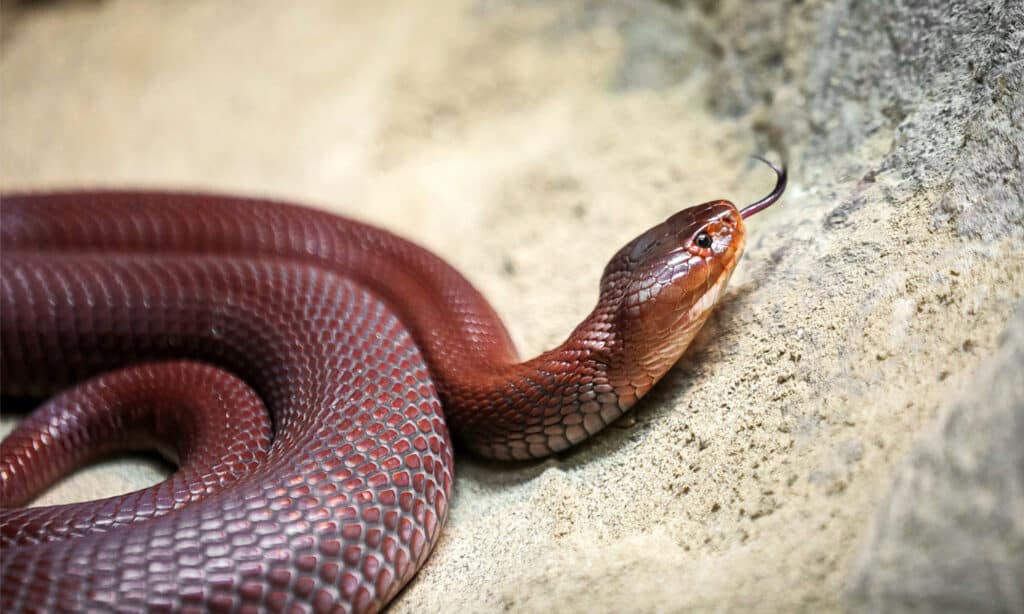
Narrow‑banded Rain Snake (Smithophis leptofasciatus)

Introduction

In the misty montane forests of northeastern India lies yet another example of the extent of biodiversity that remains undocumented. The Narrow-banded Rain Snake (Smithophis leptofasciatus) is a recent addition to the genus Smithophis, described in 2025 from the state of Mizoram. This discovery not only enriches our understanding of snake diversity in India but also underlines how even relatively large vertebrates can remain hidden in under-explored habitats. (The Times of India, India Today)


Discovery & Naming

  • The species was described by a team including Muansanga, Purkayastha, Hruaia, Vabeiryureilai, Biakzuala, Decemson, Lalremsanga & Bohra in 2025, published in TAPROBANICA (Vol. 14(2):158-165). Nova Taxa

  • The specific name leptofasciatus is derived from Greek/Latin: leptos (narrow) + fasciatus (banded), referring to its distinctive narrow dorsal bands. Nova Taxa

  • The common English name “narrow-banded rain snake” reflects both its banding pattern and its association with humid, rainforest/stream habitats. Locally, in the Mizo language, the tentative name “Ruahrul” has been proposed. India Today


Taxonomy & Phylogenetic Position

  • Genus: Smithophis Giri, Gower, Das, Lalremsanga, Lalronunga, Captain & Deepak, 2019. MDPI

  • Family: Natricidae (or some classification recognise as subfamily Natricinae of Colubridae)

  • According to the morphological and mitochondrial (cytochrome b) gene analyses, S. leptofasciatus forms a sister taxon to the clade containing S. atemporalis, S. bicolour, and S. mizoramensis. The genetic divergence from its closest relatives was reported at about 11.5%. Hindustan Times

  • With this description, the number of known species in this genus (especially in northeastern India) increases, emphasising the region’s importance for herpetological diversity. GKToday


Morphology & Diagnostic Features

  • Body slender, with the holotype measurements reported as maximum snout-vent length (SVL) approx. 329 mm and tail length about 82 mm. Nova Taxa

  • Dorsal scale rows: 17 smooth rows throughout the ody. Nova Taxa

  • Ventral and subcaudal counts: Ventrals ~195-201; subcaudals 67-78, all paired. Anal scale paired. Nova Taxa

  • Colouration: Dorsum shiny black to dark, bearing distinct, narrow, incomplete transverse bands of creamish-white or yellowish-lime colour. This banding is one of the principal characters separating it from congeners. Vajiram & Ravi

  • Other features: Five circumorbital scales touching the eye; temporal scales present; absence of keeled sacral scales in both sexes. Nova Taxa


5. Distribution & Habitat

  • Known so far from montane forest habitats in Mizoram state, northeastern India — specifically humid, shaded microhabitats near small streams, at elevations roughly 900 to 1,200 metres above sea level. India Today

  • It appears semi-aquatic/nocturnal: active during the rainy season by small streams, indicating adaptation to the moist forest floor and riparian zones. Vajiram & Ravi

  • Because the description is based on limited specimens and locality records, its full distribution likely remains underexplored.


Ecology & Behaviour

  • Though detailed ecological studies are still lacking, field observations indicate that S. leptofasciatus is nocturnally active and utilises the forest-stream interface (wet leaf-litter, stream banks) — the “rain snake” habitat type. India Today NE

  • Its narrow banding and dark body likely provide camouflage in shaded, humid forest floors—helping in prey capture or predator avoidance.

  • Reproduction: A gravid female observed in captivity laid six eggs, offering valuable first data for reproduction in this genus. India Today NE


Significance & Conservation

  • Biodiversity significance: The discovery underscores northeast India as a biodiversity hotspot for herpetofauna-specifically natricine snakes. The complexity of the S. bbicolourspecies-complex in the region is being unravelled via molecular and morphological methods. MDPI

  • Conservation concerns: Because the species appears to have a restricted range, specific habitat requirements (forest streams, montane elevation), it may be vulnerable to habitat loss, deforestation, stream drying, and human-induced disturbance. The article authors recommend further surveys and protective action for its microhabitat. The Times of India+1

  • The discovery also has educational and outreach value: raising awareness of lesser-known snakes (non-venomous, habitat-specific) can help shift perceptions and bolster conservation efforts.

References

  • “A New Species of the Genus Smithophis … from Mizoram, northeast India.” Muansanga L., Purkayastha J., Hruaia V., Vabeiryureilai M., Biakzuala L., Decemson H.T., Lalremsanga H., Bohra S.C. 2025. TAPROBANICA 14(2):158-165. Nova Taxa

  • “New Rain Snake Species Discovered in Mizoram’s Montane Forests.” India Today NE, Aug 6, 2025. India Today NE

  • “Rare narrow-banded rain snake found in Mizoram highlights India’s hidden biodiversity.” Times of India, Aug 7, 2025. The Times of India


Conclusion

The discovery of Smithophis leptofasciatus is a reminder that the forests of northeast India continue to hold many herpetological secrets. It invites further field work, ecological study, and conservation planning. For those interested in snakes, biodiversity, or conservation in India, this species marks a significant milestone — not simply as “one more snake” but as a lens into evolutionary diversity, habitat specificity, and the urgent need to protect fragile montane ecosystems.


🐍 Introduction: A Glimpse Into the Underground

Beneath the thick leaf litter and red soils of the Western Ghats slithers a silent and mysterious creature—the shield-tail snake. These snakes are rarely seen, not because they’re rare, but because they are fossorial—they live most of their lives underground.

With their earthworm-like bodies and a distinctive tail that resembles a shield, they’re a marvel of evolution. And yet, they remain one of the least-studied groups of reptiles in India.


🔬 What Is a Shield-tail Snake?

Belonging to the family Uropeltidae, shield-tail snakes are small, burrowing snakes primarily found in southern India and Sri Lanka, especially in the Western Ghats, a biodiversity hotspot.

Key Characteristics:

  • Length: 15–40 cm

  • Eyes: Vestigial and covered with scales

  • Tail: Flattened terminal scale forming a “shield”

  • Colouration: Generally dark, earthy tones with iridescent sheen

Their snake-like movements are more often felt than seen, as they tunnel silently below the forest floor, performing important ecosystem services.


🧬 Unique Adaptations for Underground Life

Shield-tail snakes are built for a life of secrecy:

AdaptationFunction
Blunt snoutHelps them dig through compact soil
Smooth, glossy scalesReduce friction while burrowing
Tail shieldActs as a plug against predators and collapsing soil
Reduced eyesightCompensated by enhanced tactile and olfactory senses


Rhinophis goweri, a species endemic to the Eastern Ghats, showcases the distinctive tail shield


These features make them supremely adapted to the subterranean lifestyle and difficult to study through traditional field methods.


🌱 Role in the Ecosystem

Though unseen, their ecological role is significant:

  • Diet: Earthworms, termites, insect larvae

  • Function: Natural pest control and soil aeration

  • Indicator species: Reflects healthy, undisturbed soil systems

They are essential in maintaining soil health—an unsung hero of forest ecosystems.


👶 Reproduction and Life Cycle

Shield-tail snakes are viviparous, giving birth to live young—an unusual trait among snakes.

  • Litters: 2–5 live young per birth

  • Maturity: Reach reproductive age in about 1–2 years

  • Parental care: None observed; hatchlings are independent from birth

This slow reproductive rate makes them particularly vulnerable to environmental disruption.


⚠️ Threats to Survival

Despite their importance, shield-tail snakes face multiple threats:

  1. Habitat destruction – from deforestation and plantations

  2. Soil pollution – especially from chemicals aand ndfertiliserss

  3. Roadkills – due to expanding rural roads

  4. Ignorance and fear – often killed due to misidentification as venomous snakes

Many species are listed as Data Deficient by the IUCN, and some may already be critically endangered without our knowledge.


🔍 The Research Gap

Studying shield-tail snakes is inherently difficult due to their habitat. However, advances in:

  • Environmental DNA (eDNA)

  • Soil sampling

  • Micro-radio telemetry is beginning to reveal insights into their lives. Every discovery adds to our understanding of India’s unique herpetofauna.


🌏 Conservation: Why They Matter

The Western Ghats are one of the world’s 8 “hottest hotspots” of biodiversity. Shield-tail snakes are flagship species for the under-soil ecosystem. Protecting them means:

  • Safeguarding soil biodiversity

  • Ensuring the survival of numerous co-dependent species

  • Enhancing the ecological integrity of tropical forests

Their survival depends on public awareness, habitat conservation, and scientific research.


🧠 Fun Facts

  • 🔁 Tail Trick: Their tail shield can mimic a false head to confuse predators.

  • 🐛 Worm Confusion: They’re often mistaken for large earthworms.

  • 🔍 New Discoveries: Several species have been discovered in just the past two decades!


🧭 Final Thoughts: The Secret Beneath Our Feet

The shield-tail snake isn’t a creature of myth or menace. It’s a quiet guardian of the earth—a living thread in the fabric of India’s rich biodiversity. By learning about and protecting these creatures, we take a step toward nurturing the health of the ecosystems we depend on.

So the next time you walk through a forest in the Western Ghats, remember: beneath your feet lies a world still largely unknown—and its most humble resident is the shield-tail snake.


📚 References & Further Reading

  • Bhatta, G. (1998). Herpetofauna of the Western Ghats.

  • IUCN Red List (https://www.iucnredlist.org)

  • Deepak, V., et al. (2021). “A new species of Uropeltis...” Zootaxa.

  • Whitaker, R. (2006). Snakes of India: The Field Guide

A specimen of Uropeltis ellioti from Western Ghats, with smooth scales

Birds exhibit a remarkable diversity in beak structure, reflecting their ecological roles, feeding behaviors, and evolutionary history (Gill, 2007). The beak or bill is a defining characteristic of birds and is crucial to their survival. Unlike mammals, birds lack teeth, and their beaks have evolved to accommodate a variety of feeding strategies. From the sharp, hooked beak of an eagle to the long, slender beak of a hummingbird, each adaptation reflects the bird's primary diet and habitat (Grant & Grant, 2002).

Importance of Bird Beaks

A bird’s beak is more than just a feeding tool; it serves multiple critical functions for survival. Apart from capturing and processing food, beaks are used for:

• Preening and grooming: Many birds use their beaks to clean their feathers, remove parasites, and maintain insulation (Gosler, 2012).

• Defense and Protection: Some species use their beaks to fight off predators or compete with rivals during mating seasons (Proctor & Lynch, 2018).

• Nest Building: Many birds use their beaks to construct nests, weaving twigs and leaves together (Hansell, 2000).

• Communication: Beak movements, along with vocalization, play an essential role in bird communication (Catchpole & Slater, 2008).

• Courtship Displays: Certain species use beak movements or specialized structures to attract mates (Hill, 2002).

Because of its multifunctional nature, the beak is one of the most essential anatomical structures in birds, playing a role in survival and reproduction.

1.2 Beak Morphology

The structure of a bird’s beak varies widely depending on its diet and environment. While all birds have beaks made of keratin (the same protein that makes up human fingernails), their size, shape, and strength differ significantly (Gill, 2007). The primary components of a bird's beak include:

• Upper Mandible: The top part of the beak, often more mobile in certain species (Zusi, 1993).

• Lower Mandible: The bottom part used for biting, grasping, or filtering food (Zusi, 1993).

• Rhamphotheca: A keratinized outer covering that gives the beak its shape (Gill, 2007).

• Nares (Nostrils): openings that allow birds to breathe; some species have specialized adaptations like filtering structures (Proctor & Lynch, 2018).

Birds that feed on hard foods, such as nuts and seeds, tend to have thick, strong beaks capable of exerting significant force. Meanwhile, nectar-feeding birds have long, narrow beaks designed for reaching deep into flowers (Gosler, 2012). Waterfowl, like ducks, often have flat, broad beaks with filtering structures to separate food from water (Gill, 2007).

1.3 Evolution of Bird Beaks

The evolution of bird beaks is one of the most studied aspects of avian biology. Birds have adapted their beaks over millions of years to match the available food sources in their environment (Grant & Grant, 2002). This evolutionary process is often driven by natural selection, where individuals with beak shapes better suited to their habitat have a higher chance of survival and reproduction (Darwin, 1859).

One of the most famous examples of beak evolution is Darwin’s finches from the Galápagos Islands. Charles Darwin observed that finches on different islands had distinct beak shapes adapted to specific food sources. Some finches had large, powerful beaks suited for cracking hard seeds, while others had slender beaks adapted for eating insects (Grant & Grant, 2014). This variation provided strong evidence for adaptive radiation, where a single ancestor species gives rise to multiple species with specialized traits (Darwin, 1859).

2. Literature Review

The study of bird beak morphology has been a subject of scientific interest for centuries, primarily because of its role in avian adaptation and evolution. This chapter reviews key historical perspectives, classifications, and evolutionary theories related to bird beak diversity.

2.1 Historical Perspectives on Bird Beak Studies

The first major scientific exploration of bird beak diversity can be traced back to Charles Darwin and his work on Galápagos finches. During his voyage on the HMS Beagle in the 1830s, Darwin observed that finches on different islands had distinct beak shapes, each adapted to a particular food source (Darwin, 1859). This led to the concept of adaptive radiation, where a single species diversifies into multiple species with specialized traits to exploit different ecological niches.

Following Darwin’s work, ornithologists and evolutionary biologists have extensively studied beak morphology as an example of natural selection. The long-term studies by Peter and Rosemary Grant on Galápagos finches (Grant & Grant, 2002) demonstrated how environmental changes, such as droughts and food availability, drive rapid evolutionary shifts in beak size and shape.

Modern research has expanded beyond finches to include diverse bird families. Studies in molecular biology, such as those by Abzhanov et al. (2004), have identified genes like BMP4 and Calmodulin that control beak shape and growth, linking beak morphology to genetic mechanisms.

2.2 Classification of Bird Beaks Based on Function

Bird beaks can be categorized based on their structure and function, directly correlating with dietary adaptations. Multiple classification systems exist, but a widely accepted approach group beaks into the following categories:

1. Conical Beaks (Seed Eaters)

• Example Birds: Finches, Sparrows, Grosbeaks

• Function: Crushing and cracking hard seeds

• Scientific Basis: Studies on finch beak biomechanics show that a stronger beak structure correlates with seed hardness (Grant & Grant, 2014).

2. Hooked Beaks (Birds of Prey)

• Example Birds: Eagles, Hawks, Owls

• Function: Tearing flesh from prey

• Scientific Basis: Raptor beak evolution studies indicate a strong correlation between beak curvature and predatory efficiency (Fuchs et al., 2015).

3. Chisel Beaks (Woodpeckers)

• Example Birds: Woodpeckers, Sapsuckers

• Function: Drilling into tree bark for insects

• Scientific Basis: The reinforced skull and chisel-shaped beak reduce impact stress, enabling sustained pecking without brain injury (Gibson, 2011).

4. Probing Beaks (Nectar Feeders)

• Example Birds: Hummingbirds, Sunbirds

• Function: Extracting nectar from flowers

• Scientific Basis: Long, tubular beaks have evolved alongside flower morphology, showing an example of coevolution (Temeles et al., 2009).

5. Strainer Beaks (Filter Feeders)

• Example Birds: Ducks, Flamingos

• Function: Filtering food from water

• Scientific Basis: Microscopic lamellae in duck and flamingo beaks function similarly to baleen in whales, filtering small aquatic organisms (Podos & Nowicki, 2004).

6. Spear Beaks (Fish Catchers)

• Example Birds: Herons, Kingfishers

• Function: Catching and spearing fish

• Scientific Basis: Sharp, elongated beaks allow quick strikes, with kinematic studies showing optimized beak shape for minimal water resistance (Van Wassenbergh et al., 2015).

2.3 Evolutionary Adaptations of Beak Morphology

Beak evolution has been driven by food availability, predation pressure, and environmental changes. Multiple evolutionary processes contribute to beak diversity:

• Adaptive Radiation: Seen in Galápagos finches, ecological pressures led to the evolution of distinct beak forms from a common ancestor (Grant & Grant, 2002).

• Convergent Evolution: Birds in different taxonomic groups develop similar beak shapes due to similar ecological roles (e.g., hummingbirds and sunbirds).

• Phenotypic Plasticity: Some species exhibit seasonal changes in beak shape based on diet shifts (Badyaev et al., 2008).

• Human-Induced Evolution: Urbanization has led to beak changes in birds like Darwin’s finches due to altered food sources (Bosse et al., 2017).

Figure 1 DALL·E 2025-03-10 20.03.49 - A detailed illustration of different types of bird beaks, labeled and categorized based on function.

This study is based on a literature review analysing the different bird beak types and their functions. Information was collected from scientific books, research papers, and academic sources that classify beaks based on their shapes and uses. The review focuses on how beak types are adapted for specific feeding habits, such as cracking seeds, tearing flesh, sipping nectar, or catching fish. It examines how different bird species have evolved specialized beaks to survive in their environments. By reviewing past studies, this research provides a clear understanding of the diversity of bird beaks.

Birds exhibit an incredible diversity of beak shapes, each finely adapted to their dietary habits, feeding techniques, and environmental conditions. The shape, size, and strength of a bird’s beak determine its ability to access and consume food efficiently. Beaks are specialized for functions such as crushing seeds, tearing meat, probing for nectar, catching fish, and filtering food from water. Below is a detailed classification of different beak types, their functions, and examples of birds that possess them.

4.1 Conical Beak (Seed-Crushing Beak)

• Function: Short, thick, and cone-shaped, designed for cracking hard seeds and nuts.

• Structure: The beak exerts strong pressure to break open tough seed shells.

• Examples: finches, sparrows, grosbeaks, buntings.

• Importance: Helps granivorous birds efficiently access nutrient-rich seeds as a primary food source.

Example: The Zebra Finch uses its strong, conical beak to crack millet seeds effortlessly.

4.2 Hooked Beak (Tearing Flesh)

• Function: Sharp, curved beak designed for tearing meat from prey.

• Structure: The hooked tip allows raptors to grip and tear apart flesh.

• Examples: Eagles, Hawks, Owls, Falcons.

• Importance: Essential for birds of prey to hunt, kill, and consume animals, maintaining the balance in food chains.

Example: The Bald Eagle uses its hooked beak to rip apart fish, small mammals, and carrion.

4.3 Chisel Beak (Drilling and Pecking Wood)

• Function: Strong, pointed beak adapted for boring into tree bark to extract insects.

• Structure: straight and sharp, reinforced for repeated hammering.

• Examples: woodpeckers, sapsuckers.

• Importance: Helps in finding hidden insects inside trees and contributes to forest health by controlling insect populations.

Example: The piled woodpecker chisels into deadwood, uncovering termites and larvae.

4.4 Probing Beak (Nectar-Feeding Beak)

• Function: Long, slender, sometimes curved beak designed for reaching nectar deep inside flowers.

• Structure: Adapted to work with specialized tongues that suck nectar.

• Examples: Hummingbirds, Sunbirds, Honeyeaters.

• Importance: Crucial for pollination, allowing these birds to transfer pollen between flowers.

Example: The Ruby-throated Hummingbird hovers near a flower and inserts its long beak to access nectar.

4.5 Strainer Beak (Filtering Food from Water)

• Function: Broad, flat beak with comb-like structures (lamellae) that filter food from water.

• Structure: The beak acts like a sieve, trapping small organisms while allowing water to pass.

• Examples: ducks, flamingos, geese, and swans.

• Importance: Enables birds to consume small aquatic organisms like plankton, algae, and crustaceans.

Example: The Greater Flamingo filters tiny shrimp from water using its specialized beak.

4.6 Spear Beak (Catching Fish)

• Function: Long, sharp beak designed for spearing and catching fish with precision.

• Structure: pointed and sturdy, ideal for piercing slippery prey.

• Examples: herons, kingfishers, and storks.

• Importance: Helps fish-eating birds hunt in wetlands, rivers, and coastal waters.

Example: The Great Blue Heron swiftly spears fish in shallow water before swallowing them whole.

4.7 Tweezer Beak (Insect-Catching Beak)

• Function: Thin, pointed beak designed for picking small insects from leaves, bark, or air.

• Structure: Slender and delicate, optimized for precision.

• Examples: warblers, flycatchers, robins.

• Importance: Helps birds efficiently hunt flying insects, which is crucial for maintaining ecological balance.

Example: The Willow Warbler quickly picks aphids from leaves using its fine, tweezer-like beak.

4.8 Spoon Beak (Scooping Food from Water)

• Function: Broad, flat, and spoon-shaped, used for scooping up food from shallow waters.

• Structure: The flattened tip enhances water surface feeding.

• Examples: Spoonbills.

• Importance: Allows birds to gather small fish and crustaceans in slow-moving waters.

 Example: The roseate spoonbill sways its beak through water to catch tiny fish and invertebrates.

4.9 Crossed Beak (Seed-Extracting Beak)

• Function: Upper and lower mandibles cross over, allowing birds to extract seeds from cones.

• Structure: Uniquely twisted beak designed for precise seed extraction.

• Examples: Crossbills.

• Importance: Enables birds to access nutrient-rich conifer seeds, even in winter.

 Example: The Red Crossbill pries open pine cones to feed on hidden seeds.

4.10 Knife Beak (Cutting Flesh and Bone)

• Function: Sharp-edged beak used for cutting through flesh, bone, or tough materials.

• Structure: Strong, slightly curved, and sharp to aid in scavenging.

• Examples: Vultures, Skuas.

• Importance: Helps scavenger birds consume carrion, preventing the spread of disease in ecosystems.

Example: The bearded vulture drops bones from great heights to crack them open before eating the marrow.

4.11 Multi-Purpose Beak (Omnivorous Feeder)

• Function: A generalist beak shape that allows birds to eat a wide variety of foods.

• Structure: Medium-sized and slightly curved, adaptable for multiple diets.

• Examples: Crows, Magpies, Mynas.

• Importance: Allows birds to survive in diverse habitats by consuming seeds, insects, fruits, and small animals.

Example: The American Crow uses its versatile beak to eat anything from grains to small animals.


Figure 2  DALL·E 2025-03-10 20.27.11 - A detailed illustration showcasing different types of bird beaks and their respective functions.

 Conclusion

The diverse adaptations of bird beaks illustrate their essential role in feeding efficiency, survival, and ecological balance. The structure of a bird’s beak is directly linked to its diet and lifestyle, making it one of the most important evolutionary traits in birds. These specialized beak forms allow birds to thrive in different environments, from forests and wetlands to grasslands and urban areas.

This section highlights how birds have evolved their beaks not only to find and consume food efficiently but also to contribute to ecological processes such as pollination, pest control, and scavenging. The findings reinforce the importance of studying bird beaks to understand biodiversity, evolution, and environmental adaptation.

Literature Cited:

• Darwin, C. (1859). On the Origin of Species. London: John Murray.

• Grant, P. R. & Grant, B. R. (2002). Unpredictable Evolution in a 30-Year Study of Darwin's Finches. Science, 296(5568), 707-711.

• Gill, F. B. (2007). Ornithology. W.H. Freeman and Company.

• National Audubon Society. (2023). Bird Beak Adaptations. Retrieved from www.audubon.org

• Peterson, R. T. & Peterson, V. M. (2008). A Field Guide to Birds of North America. Houghton Mifflin Harcourt.

• Smith, J. A. & Brown, K. L. (2015). Avian Functional Morphology: Beak Evolution and Ecological Niches. Journal of Ornithological Research, 68(2), 112-126.

• Ricklefs, R. E. (2010). The Economy of Nature: Ecology and Evolution. W.H. Freeman.

• Gonzalez, A. M., & Lee, P. T. (2018). Beak Shape and Feeding Strategies: A Comparative Analysis Across Bird Families. Avian Biology Journal, 55(4), 289-303.

• Online Bird Database. (2024). Types of Bird Beaks and Their Functions. Retrieved from www.birdsdb.org

• Triveni, T., Lakshmishree, K. T., Melinamani, D., Rani, B. K., & Nagappa, K. (2018). Comparative Morphological Studies on Beak and Feet in Some Birds. Indian Journal of Veterinary Anatomy, 30(2). ebook.icar.gov.in

• Bhattacharyya, B. N. (1987). On the Structural Adaptations of the Bill, Skull-elements, Tongue, and Hyoid of Some Indian Insect-Eating Birds. Proceedings: Animal Sciences, 96(6), 669-682. PubMed

• Krishnan, A. (2023). Biomechanics Illuminates Form-Function Relationships in Bird Bills. Journal of Experimental Biology, 226(Suppl_1), jeb245171. journals.biologists.com

Older Posts Home

ABOUT ME

I could look back at my life and get a good story out of it. It's a picture of somebody trying to figure things out.

SUBSCRIBE & FOLLOW

POPULAR POSTS

  • Is snakes in Khatron Ke Khiladi are poisonous or not ?
  • The Procession of Faith: The Holy Place, Kailash Kund ("Kablas"), Everyone Should Visit Once in His/Her life
  • Green vine snake | Ahaetulla nasuta (Lacépède, 1789)
  • Himalayan pit viper | Gloydius himalayanus, Günther (1864)
  • The Stone Of "Beer Dev": Abode of Legend

OUR FACEBOOK PAGE

Tasty Treats
Travel Journal

Categories

  • #ShieldTailSnake #WesternGhats #Uropeltidae #Biodiversity #IndianWildlife 1
  • Ahaetulla nasuta 1
  • Amphiesma stolata 1
  • Argyrogena fasciolata 1
  • Banded racer 1
  • Beaks 1
  • BEAKS IN BIRDS 1
  • Beer Dev 1
  • Bergenia ciliata 1
  • Birds 1
  • Black Headed Royal Snake 1
  • Blind Snake 1
  • Blunt-nosed viper 1
  • Boiga trigonata 1
  • Brahminy Worm Snake 1
  • Braid snake 1
  • Buff Striped KeelBack | Amphiesma stolatum 1
  • Calotes versicolor 1
  • Cantor's Black-headed Snake 1
  • Central Asian Cobra 1
  • Checkered Keelback 1
  • CheckeredKeelback 1
  • Chenab Valley 2
  • Chrysopelea ornata 1
  • Cobra 1
  • Common Cat Snake 2
  • Common Krait| Bungarus caeruleus 1
  • Common Kukri 1
  • Common Wolf Snake 1
  • Conflux 1
  • Cover Letter Tips 1
  • Cyrtodactylus himalayanus 1
  • Daboia russelii 1
  • Dendrelaphis tristis 1
  • Dhaman || Rescue 1
  • Different TYPES 1
  • Duttaphrynus stomaticus 1
  • Echis carinatus 1
  • Egret 1
  • Elachistodon westermanni 1
  • Elaphe hodgsoni 1
  • Eryx conicus 1
  • Eryx johnii 1
  • Families 1
  • Flowers 3
  • Flowers. photography 1
  • Ganges 1
  • Gloydius himalayanus 1
  • Green Keelback Snake 1
  • Green vine snake 1
  • Gyps indicus 1
  • Hemidactylus brookii 1
  • Herpetoreas platyceps 1
  • Herpetoreas sieboldii 1
  • Himachal Pradesh 1
  • Himalayan Bent-toed Gecko 1
  • Himalayan pit viper 1
  • Himalayan Ratsnake 1
  • History 1
  • Hoplobatrachus tigerinus 1
  • Indian bullfrog 1
  • Indian Egg-Eater 1
  • Indian marbled toad 1
  • Indian python 1
  • Indian Rat Snake 1
  • Indian Rat Snake || Rescue III 1
  • Indian Rat Snake || Rescue IInd 1
  • Indotyphlops braminus 1
  • Jan's Cliff racer 1
  • Kailash Kund (Kablas) 1
  • Kashmir rock agama 1
  • Khajuraho 1
  • Khatron Ke Khiladi 1
  • Laudakia agrorenisis 1
  • Laudakia tuberculata 1
  • Leith's sand snake 1
  • Long-Billed Vulture 1
  • Lycodon aulicus 1
  • Macrovipera lebetinus 1
  • Malabar pit viper 1
  • Malus pumila 1
  • Manimahesh : The Jewel bearer 1
  • Mizoram 1
  • Mobile photography 2
  • Monocled cobra 1
  • Morchella 1
  • Myna 1
  • Naja naja 1
  • Naja oxiana 1
  • Narrow‑banded Rain Snake 1
  • Nature photographs 1
  • Oligodon arnensis 1
  • Oligodon arnensis || Rescue 1
  • Ophiophagus hannah 1
  • Ornate Flying Snake 1
  • Photography 1
  • Pit viper 2
  • Platyceps rhodorachis 1
  • Poisnous 1
  • Psammophis leithii 1
  • Ptyas mucosa 2
  • Ptyas mucosa | Rescue 1
  • Ptyas mucosa || Rescue II 1
  • Python molurus 1
  • Red Sand Boa 1
  • Reproduction 1
  • Reptile 1
  • Rhabdophis nigrocinctus 1
  • Rhododendron arboreum 1
  • Russell's viper 1
  • Saraswati 1
  • Sibynophis sagittarius 1
  • Siebold's Keelback 1
  • Smithophis leptofasciatus 1
  • Snake Bite & First Aid Tips 1
  • Snake Books 1
  • Snake World 1
  • Snakes 2
  • Snakes & Man 1
  • Spalerosophis atriceps 1
  • Sparrow Babies 1
  • Subaar Nag 1
  • Surkhanda Devi Temple 1
  • The Quince: Cydonia oblonga 1
  • Trimeresurus malabaricus 1
  • Triveni Sangam 1
  • Tulips 1
  • Venomous 1
  • Viburnum grandiflorum 1
  • Vulture 1
  • Wolf Snake 1
  • Yamuna 1

Advertisement

RECENT$type=list-tab$date=0$au=0$c=5

  • #ShieldTailSnake #WesternGhats #Uropeltidae #Biodiversity #IndianWildlife
  • Ahaetulla nasuta
  • Amphiesma stolata
  • Argyrogena fasciolata
  • Banded racer
  • Beaks
  • BEAKS IN BIRDS
  • Beer Dev
  • Bergenia ciliata
  • Birds
  • Black Headed Royal Snake
  • Blind Snake
  • Blunt-nosed viper
  • Boiga trigonata
  • Brahminy Worm Snake
  • Braid snake
  • Buff Striped KeelBack | Amphiesma stolatum
  • Calotes versicolor
  • Cantor's Black-headed Snake
  • Central Asian Cobra
  • Checkered Keelback
  • CheckeredKeelback
  • Chenab Valley
  • Chrysopelea ornata
  • Cobra
  • Common Cat Snake
  • Common Krait| Bungarus caeruleus
  • Common Kukri
  • Common Wolf Snake
  • Conflux
  • Cover Letter Tips
  • Cyrtodactylus himalayanus
  • Daboia russelii
  • Dendrelaphis tristis
  • Dhaman || Rescue
  • Different TYPES
  • Duttaphrynus stomaticus
  • Echis carinatus
  • Egret
  • Elachistodon westermanni
  • Elaphe hodgsoni
  • Eryx conicus
  • Eryx johnii
  • Families
  • Flowers
  • Flowers. photography
  • Ganges
  • Gloydius himalayanus
  • Green Keelback Snake
  • Green vine snake
  • Gyps indicus
  • Hemidactylus brookii
  • Herpetoreas platyceps
  • Herpetoreas sieboldii
  • Himachal Pradesh
  • Himalayan Bent-toed Gecko
  • Himalayan pit viper
  • Himalayan Ratsnake
  • History
  • Hoplobatrachus tigerinus
  • Indian bullfrog
  • Indian Egg-Eater
  • Indian marbled toad
  • Indian python
  • Indian Rat Snake
  • Indian Rat Snake || Rescue III
  • Indian Rat Snake || Rescue IInd
  • Indotyphlops braminus
  • Jan's Cliff racer
  • Kailash Kund (Kablas)
  • Kashmir rock agama
  • Khajuraho
  • Khatron Ke Khiladi
  • Laudakia agrorenisis
  • Laudakia tuberculata
  • Leith's sand snake
  • Long-Billed Vulture
  • Lycodon aulicus
  • Macrovipera lebetinus
  • Malabar pit viper
  • Malus pumila
  • Manimahesh : The Jewel bearer
  • Mizoram
  • Mobile photography
  • Monocled cobra
  • Morchella
  • Myna
  • Naja naja
  • Naja oxiana
  • Narrow‑banded Rain Snake
  • Nature photographs
  • Oligodon arnensis
  • Oligodon arnensis || Rescue
  • Ophiophagus hannah
  • Ornate Flying Snake
  • Photography
  • Pit viper
  • Platyceps rhodorachis
  • Poisnous
  • Psammophis leithii
  • Ptyas mucosa
  • Ptyas mucosa | Rescue
  • Ptyas mucosa || Rescue II
  • Python molurus
  • Red Sand Boa
  • Reproduction
  • Reptile
  • Rhabdophis nigrocinctus
  • Rhododendron arboreum
  • Russell's viper
  • Saraswati
  • Sibynophis sagittarius
  • Siebold's Keelback
  • Smithophis leptofasciatus
  • Snake Bite & First Aid Tips
  • Snake Books
  • Snake World
  • Snakes
  • Snakes & Man
  • Spalerosophis atriceps
  • Sparrow Babies
  • Subaar Nag
  • Surkhanda Devi Temple
  • The Quince: Cydonia oblonga
  • Trimeresurus malabaricus
  • Triveni Sangam
  • Tulips
  • Venomous
  • Viburnum grandiflorum
  • Vulture
  • Wolf Snake
  • Yamuna

REPLIES$type=list-tab$com=0$c=4$src=recent-comments

  • #ShieldTailSnake #WesternGhats #Uropeltidae #Biodiversity #IndianWildlife
  • Ahaetulla nasuta
  • Amphiesma stolata
  • Argyrogena fasciolata
  • Banded racer
  • Beaks
  • BEAKS IN BIRDS
  • Beer Dev
  • Bergenia ciliata
  • Birds
  • Black Headed Royal Snake
  • Blind Snake
  • Blunt-nosed viper
  • Boiga trigonata
  • Brahminy Worm Snake
  • Braid snake
  • Buff Striped KeelBack | Amphiesma stolatum
  • Calotes versicolor
  • Cantor's Black-headed Snake
  • Central Asian Cobra
  • Checkered Keelback
  • CheckeredKeelback
  • Chenab Valley
  • Chrysopelea ornata
  • Cobra
  • Common Cat Snake
  • Common Krait| Bungarus caeruleus
  • Common Kukri
  • Common Wolf Snake
  • Conflux
  • Cover Letter Tips
  • Cyrtodactylus himalayanus
  • Daboia russelii
  • Dendrelaphis tristis
  • Dhaman || Rescue
  • Different TYPES
  • Duttaphrynus stomaticus
  • Echis carinatus
  • Egret
  • Elachistodon westermanni
  • Elaphe hodgsoni
  • Eryx conicus
  • Eryx johnii
  • Families
  • Flowers
  • Flowers. photography
  • Ganges
  • Gloydius himalayanus
  • Green Keelback Snake
  • Green vine snake
  • Gyps indicus
  • Hemidactylus brookii
  • Herpetoreas platyceps
  • Herpetoreas sieboldii
  • Himachal Pradesh
  • Himalayan Bent-toed Gecko
  • Himalayan pit viper
  • Himalayan Ratsnake
  • History
  • Hoplobatrachus tigerinus
  • Indian bullfrog
  • Indian Egg-Eater
  • Indian marbled toad
  • Indian python
  • Indian Rat Snake
  • Indian Rat Snake || Rescue III
  • Indian Rat Snake || Rescue IInd
  • Indotyphlops braminus
  • Jan's Cliff racer
  • Kailash Kund (Kablas)
  • Kashmir rock agama
  • Khajuraho
  • Khatron Ke Khiladi
  • Laudakia agrorenisis
  • Laudakia tuberculata
  • Leith's sand snake
  • Long-Billed Vulture
  • Lycodon aulicus
  • Macrovipera lebetinus
  • Malabar pit viper
  • Malus pumila
  • Manimahesh : The Jewel bearer
  • Mizoram
  • Mobile photography
  • Monocled cobra
  • Morchella
  • Myna
  • Naja naja
  • Naja oxiana
  • Narrow‑banded Rain Snake
  • Nature photographs
  • Oligodon arnensis
  • Oligodon arnensis || Rescue
  • Ophiophagus hannah
  • Ornate Flying Snake
  • Photography
  • Pit viper
  • Platyceps rhodorachis
  • Poisnous
  • Psammophis leithii
  • Ptyas mucosa
  • Ptyas mucosa | Rescue
  • Ptyas mucosa || Rescue II
  • Python molurus
  • Red Sand Boa
  • Reproduction
  • Reptile
  • Rhabdophis nigrocinctus
  • Rhododendron arboreum
  • Russell's viper
  • Saraswati
  • Sibynophis sagittarius
  • Siebold's Keelback
  • Smithophis leptofasciatus
  • Snake Bite & First Aid Tips
  • Snake Books
  • Snake World
  • Snakes
  • Snakes & Man
  • Spalerosophis atriceps
  • Sparrow Babies
  • Subaar Nag
  • Surkhanda Devi Temple
  • The Quince: Cydonia oblonga
  • Trimeresurus malabaricus
  • Triveni Sangam
  • Tulips
  • Venomous
  • Viburnum grandiflorum
  • Vulture
  • Wolf Snake
  • Yamuna

RANDOM$type=list-tab$date=0$au=0$c=5$src=random-posts

  • #ShieldTailSnake #WesternGhats #Uropeltidae #Biodiversity #IndianWildlife
  • Ahaetulla nasuta
  • Amphiesma stolata
  • Argyrogena fasciolata
  • Banded racer
  • Beaks
  • BEAKS IN BIRDS
  • Beer Dev
  • Bergenia ciliata
  • Birds
  • Black Headed Royal Snake
  • Blind Snake
  • Blunt-nosed viper
  • Boiga trigonata
  • Brahminy Worm Snake
  • Braid snake
  • Buff Striped KeelBack | Amphiesma stolatum
  • Calotes versicolor
  • Cantor's Black-headed Snake
  • Central Asian Cobra
  • Checkered Keelback
  • CheckeredKeelback
  • Chenab Valley
  • Chrysopelea ornata
  • Cobra
  • Common Cat Snake
  • Common Krait| Bungarus caeruleus
  • Common Kukri
  • Common Wolf Snake
  • Conflux
  • Cover Letter Tips
  • Cyrtodactylus himalayanus
  • Daboia russelii
  • Dendrelaphis tristis
  • Dhaman || Rescue
  • Different TYPES
  • Duttaphrynus stomaticus
  • Echis carinatus
  • Egret
  • Elachistodon westermanni
  • Elaphe hodgsoni
  • Eryx conicus
  • Eryx johnii
  • Families
  • Flowers
  • Flowers. photography
  • Ganges
  • Gloydius himalayanus
  • Green Keelback Snake
  • Green vine snake
  • Gyps indicus
  • Hemidactylus brookii
  • Herpetoreas platyceps
  • Herpetoreas sieboldii
  • Himachal Pradesh
  • Himalayan Bent-toed Gecko
  • Himalayan pit viper
  • Himalayan Ratsnake
  • History
  • Hoplobatrachus tigerinus
  • Indian bullfrog
  • Indian Egg-Eater
  • Indian marbled toad
  • Indian python
  • Indian Rat Snake
  • Indian Rat Snake || Rescue III
  • Indian Rat Snake || Rescue IInd
  • Indotyphlops braminus
  • Jan's Cliff racer
  • Kailash Kund (Kablas)
  • Kashmir rock agama
  • Khajuraho
  • Khatron Ke Khiladi
  • Laudakia agrorenisis
  • Laudakia tuberculata
  • Leith's sand snake
  • Long-Billed Vulture
  • Lycodon aulicus
  • Macrovipera lebetinus
  • Malabar pit viper
  • Malus pumila
  • Manimahesh : The Jewel bearer
  • Mizoram
  • Mobile photography
  • Monocled cobra
  • Morchella
  • Myna
  • Naja naja
  • Naja oxiana
  • Narrow‑banded Rain Snake
  • Nature photographs
  • Oligodon arnensis
  • Oligodon arnensis || Rescue
  • Ophiophagus hannah
  • Ornate Flying Snake
  • Photography
  • Pit viper
  • Platyceps rhodorachis
  • Poisnous
  • Psammophis leithii
  • Ptyas mucosa
  • Ptyas mucosa | Rescue
  • Ptyas mucosa || Rescue II
  • Python molurus
  • Red Sand Boa
  • Reproduction
  • Reptile
  • Rhabdophis nigrocinctus
  • Rhododendron arboreum
  • Russell's viper
  • Saraswati
  • Sibynophis sagittarius
  • Siebold's Keelback
  • Smithophis leptofasciatus
  • Snake Bite & First Aid Tips
  • Snake Books
  • Snake World
  • Snakes
  • Snakes & Man
  • Spalerosophis atriceps
  • Sparrow Babies
  • Subaar Nag
  • Surkhanda Devi Temple
  • The Quince: Cydonia oblonga
  • Trimeresurus malabaricus
  • Triveni Sangam
  • Tulips
  • Venomous
  • Viburnum grandiflorum
  • Vulture
  • Wolf Snake
  • Yamuna

RECENT WITH THUMBS$type=blogging$m=0$cate=0$sn=0$rm=0$c=4$va=0

  • #ShieldTailSnake #WesternGhats #Uropeltidae #Biodiversity #IndianWildlife
  • Ahaetulla nasuta
  • Amphiesma stolata
  • Argyrogena fasciolata
  • Banded racer
  • Beaks
  • BEAKS IN BIRDS
  • Beer Dev
  • Bergenia ciliata
  • Birds
  • Black Headed Royal Snake
  • Blind Snake
  • Blunt-nosed viper
  • Boiga trigonata
  • Brahminy Worm Snake
  • Braid snake
  • Buff Striped KeelBack | Amphiesma stolatum
  • Calotes versicolor
  • Cantor's Black-headed Snake
  • Central Asian Cobra
  • Checkered Keelback
  • CheckeredKeelback
  • Chenab Valley
  • Chrysopelea ornata
  • Cobra
  • Common Cat Snake
  • Common Krait| Bungarus caeruleus
  • Common Kukri
  • Common Wolf Snake
  • Conflux
  • Cover Letter Tips
  • Cyrtodactylus himalayanus
  • Daboia russelii
  • Dendrelaphis tristis
  • Dhaman || Rescue
  • Different TYPES
  • Duttaphrynus stomaticus
  • Echis carinatus
  • Egret
  • Elachistodon westermanni
  • Elaphe hodgsoni
  • Eryx conicus
  • Eryx johnii
  • Families
  • Flowers
  • Flowers. photography
  • Ganges
  • Gloydius himalayanus
  • Green Keelback Snake
  • Green vine snake
  • Gyps indicus
  • Hemidactylus brookii
  • Herpetoreas platyceps
  • Herpetoreas sieboldii
  • Himachal Pradesh
  • Himalayan Bent-toed Gecko
  • Himalayan pit viper
  • Himalayan Ratsnake
  • History
  • Hoplobatrachus tigerinus
  • Indian bullfrog
  • Indian Egg-Eater
  • Indian marbled toad
  • Indian python
  • Indian Rat Snake
  • Indian Rat Snake || Rescue III
  • Indian Rat Snake || Rescue IInd
  • Indotyphlops braminus
  • Jan's Cliff racer
  • Kailash Kund (Kablas)
  • Kashmir rock agama
  • Khajuraho
  • Khatron Ke Khiladi
  • Laudakia agrorenisis
  • Laudakia tuberculata
  • Leith's sand snake
  • Long-Billed Vulture
  • Lycodon aulicus
  • Macrovipera lebetinus
  • Malabar pit viper
  • Malus pumila
  • Manimahesh : The Jewel bearer
  • Mizoram
  • Mobile photography
  • Monocled cobra
  • Morchella
  • Myna
  • Naja naja
  • Naja oxiana
  • Narrow‑banded Rain Snake
  • Nature photographs
  • Oligodon arnensis
  • Oligodon arnensis || Rescue
  • Ophiophagus hannah
  • Ornate Flying Snake
  • Photography
  • Pit viper
  • Platyceps rhodorachis
  • Poisnous
  • Psammophis leithii
  • Ptyas mucosa
  • Ptyas mucosa | Rescue
  • Ptyas mucosa || Rescue II
  • Python molurus
  • Red Sand Boa
  • Reproduction
  • Reptile
  • Rhabdophis nigrocinctus
  • Rhododendron arboreum
  • Russell's viper
  • Saraswati
  • Sibynophis sagittarius
  • Siebold's Keelback
  • Smithophis leptofasciatus
  • Snake Bite & First Aid Tips
  • Snake Books
  • Snake World
  • Snakes
  • Snakes & Man
  • Spalerosophis atriceps
  • Sparrow Babies
  • Subaar Nag
  • Surkhanda Devi Temple
  • The Quince: Cydonia oblonga
  • Trimeresurus malabaricus
  • Triveni Sangam
  • Tulips
  • Venomous
  • Viburnum grandiflorum
  • Vulture
  • Wolf Snake
  • Yamuna

SCIENCE$type=right$va=0$count=3

  • Bergenia ciliata
  • Malus pumila
  • Morchella
  • Rhododendron arboreum
  • The Quince: Cydonia oblonga
  • Tulips
  • Viburnum grandiflorum
#ShieldTailSnake #WesternGhats #Uropeltidae #Biodiversity #IndianWildlife,1,Ahaetulla nasuta,1,Amphiesma stolata,1,Argyrogena fasciolata,1,Banded racer,1,Beaks,1,BEAKS IN BIRDS,1,Beer Dev,1,Bergenia ciliata,1,Birds,1,Black Headed Royal Snake,1,Blind Snake,1,Blunt-nosed viper,1,Boiga trigonata,1,Brahminy Worm Snake,1,Braid snake,1,Buff Striped KeelBack | Amphiesma stolatum,1,Calotes versicolor,1,Cantor's Black-headed Snake,1,Central Asian Cobra,1,Checkered Keelback,1,CheckeredKeelback,1,Chenab Valley,2,Chrysopelea ornata,1,Cobra,1,Common Cat Snake,2,Common Krait| Bungarus caeruleus,1,Common Kukri,1,Common Wolf Snake,1,Conflux,1,Cover Letter Tips,1,Cyrtodactylus himalayanus,1,Daboia russelii,1,Dendrelaphis tristis,1,Dhaman || Rescue,1,Different TYPES,1,Duttaphrynus stomaticus,1,Echis carinatus,1,Egret,1,Elachistodon westermanni,1,Elaphe hodgsoni,1,Eryx conicus,1,Eryx johnii,1,Families,1,Flowers,3,Flowers. photography,1,Ganges,1,Gloydius himalayanus,1,Green Keelback Snake,1,Green vine snake,1,Gyps indicus,1,Hemidactylus brookii,1,Herpetoreas platyceps,1,Herpetoreas sieboldii,1,Himachal Pradesh,1,Himalayan Bent-toed Gecko,1,Himalayan pit viper,1,Himalayan Ratsnake,1,History,1,Hoplobatrachus tigerinus,1,Indian bullfrog,1,Indian Egg-Eater,1,Indian marbled toad,1,Indian python,1,Indian Rat Snake,1,Indian Rat Snake || Rescue III,1,Indian Rat Snake || Rescue IInd,1,Indotyphlops braminus,1,Jan's Cliff racer,1,Kailash Kund (Kablas),1,Kashmir rock agama,1,Khajuraho,1,Khatron Ke Khiladi,1,Laudakia agrorenisis,1,Laudakia tuberculata,1,Leith's sand snake,1,Long-Billed Vulture,1,Lycodon aulicus,1,Macrovipera lebetinus,1,Malabar pit viper,1,Malus pumila,1,Manimahesh : The Jewel bearer,1,Mizoram,1,Mobile photography,2,Monocled cobra,1,Morchella,1,Myna,1,Naja naja,1,Naja oxiana,1,Narrow‑banded Rain Snake,1,Nature photographs,1,Oligodon arnensis,1,Oligodon arnensis || Rescue,1,Ophiophagus hannah,1,Ornate Flying Snake,1,Photography,1,Pit viper,2,Platyceps rhodorachis,1,Poisnous,1,Psammophis leithii,1,Ptyas mucosa,2,Ptyas mucosa | Rescue,1,Ptyas mucosa || Rescue II,1,Python molurus,1,Red Sand Boa,1,Reproduction,1,Reptile,1,Rhabdophis nigrocinctus,1,Rhododendron arboreum,1,Russell's viper,1,Saraswati,1,Sibynophis sagittarius,1,Siebold's Keelback,1,Smithophis leptofasciatus,1,Snake Bite & First Aid Tips,1,Snake Books,1,Snake World,1,Snakes,2,Snakes & Man,1,Spalerosophis atriceps,1,Sparrow Babies,1,Subaar Nag,1,Surkhanda Devi Temple,1,The Quince: Cydonia oblonga,1,Trimeresurus malabaricus,1,Triveni Sangam,1,Tulips,1,Venomous,1,Viburnum grandiflorum,1,Vulture,1,Wolf Snake,1,Yamuna,1,

Most Viewed

Kashmir rock agama | Laudakia tuberculata Gray, 1827

Kashmir rock agama | Laudakia tuberculata Gray, 1827   Kashmir rock agama is a species of lizard that belong to family agamidae which is found in India (West Himalaya, Kashmir, Punjab, Jammu (Doda, Bhaderwah, Rajouri, Batote, Ladakh, & Kishtwar) Uttar Pradesh & Himachal Pradesh), Nepal (Katmandu, Chitlong), Pakistan (North), Afghanistan (East) & China (Tibet). Scientific classification Kingdom: Animalia Phylum: Chordata Class: Reptilia Order: Squamata Family: Agamidae Genus: Laudakia species: tuberculata Binomial name Laudakia tuberculata (Gray, 1827) Head of the species is observed depressed where snout is longer than the distance of the orbit; nostrils present on the lateral sides just below the  canthus rostralis and are slightly tubular. Scales on the upper side of the head are smooth or feebly keeled,...
Image

Visitors

  • Home
  • About Us
  • Contact Us
  • Home
  • Features
  • _Multi DropDown
  • __DropDown 1
  • __DropDown 2
  • __DropDown 3
  • _ShortCodes
  • _SiteMap
  • _Error Page
  • Mega Menu
  • Learn About Snakes
  • Documentation
  • _Blog
  • _Video
  • Contact US

Footer Menu Widget

  • Home
  • About
  • Contact Us

Social Plugin

Header$type=social_icons

Footer Social$type=social_icons

TRAVEL$type=left$va=0$count=3

  • Beer Dev
  • Chenab Valley
  • Conflux
  • Ganges
  • History
  • Khajuraho
  • Manimahesh : The Jewel bearer
  • Saraswati
  • Subaar Nag
  • Surkhanda Devi Temple
  • Triveni Sangam
  • Yamuna

PHOTOGRAPHY$type=one$count=3

  • Flowers
  • Mobile photography
  • Flowers. photography
  • Nature photographs
  • Photography

ALL CONTENT$type=three$author=hide$comment=hide$rm=hide

  • Flowers
  • Chenab Valley
  • Common Cat Snake
  • Mobile photography
  • Pit viper
  • Ptyas mucosa
  • Snakes
  • #ShieldTailSnake #WesternGhats #Uropeltidae #Biodiversity #IndianWildlife
  • Ahaetulla nasuta
  • Amphiesma stolata
  • Argyrogena fasciolata
  • BEAKS IN BIRDS
  • Banded racer
  • Beaks
  • Beer Dev
  • Bergenia ciliata
  • Birds
  • Black Headed Royal Snake
  • Blind Snake
  • Blunt-nosed viper
  • Boiga trigonata
  • Brahminy Worm Snake
  • Braid snake
  • Buff Striped KeelBack | Amphiesma stolatum
  • Calotes versicolor
  • Cantor's Black-headed Snake
  • Central Asian Cobra
  • Checkered Keelback
  • CheckeredKeelback
  • Chrysopelea ornata
  • Cobra
  • Common Krait| Bungarus caeruleus
  • Common Kukri
  • Common Wolf Snake
  • Conflux
  • Cover Letter Tips
  • Cyrtodactylus himalayanus
  • Daboia russelii
  • Dendrelaphis tristis
  • Dhaman || Rescue
  • Different TYPES
  • Duttaphrynus stomaticus
  • Echis carinatus
  • Egret
  • Elachistodon westermanni
  • Elaphe hodgsoni
  • Eryx conicus
  • Eryx johnii
  • Families
  • Flowers. photography
  • Ganges
  • Gloydius himalayanus
  • Green Keelback Snake
  • Green vine snake
  • Gyps indicus
  • Hemidactylus brookii
  • Herpetoreas platyceps
  • Herpetoreas sieboldii
  • Himachal Pradesh
  • Himalayan Bent-toed Gecko
  • Himalayan Ratsnake
  • Himalayan pit viper
  • History
  • Hoplobatrachus tigerinus
  • Indian Egg-Eater
  • Indian Rat Snake
  • Indian Rat Snake || Rescue III
  • Indian Rat Snake || Rescue IInd
  • Indian bullfrog
  • Indian marbled toad
  • Indian python
  • Indotyphlops braminus
  • Jan's Cliff racer
  • Kailash Kund (Kablas)
  • Kashmir rock agama
  • Khajuraho
  • Khatron Ke Khiladi
  • Laudakia agrorenisis
  • Laudakia tuberculata
  • Leith's sand snake
  • Long-Billed Vulture
  • Lycodon aulicus
  • Macrovipera lebetinus
  • Malabar pit viper
  • Malus pumila
  • Manimahesh : The Jewel bearer
  • Mizoram
  • Monocled cobra
  • Morchella
  • Myna
  • Naja naja
  • Naja oxiana
  • Narrow‑banded Rain Snake
  • Nature photographs
  • Oligodon arnensis
  • Oligodon arnensis || Rescue
  • Ophiophagus hannah
  • Ornate Flying Snake
  • Photography
  • Platyceps rhodorachis
  • Poisnous
  • Psammophis leithii
  • Ptyas mucosa | Rescue
  • Ptyas mucosa || Rescue II
  • Python molurus
  • Red Sand Boa
  • Reproduction
  • Reptile
  • Rhabdophis nigrocinctus
  • Rhododendron arboreum
  • Russell's viper
  • Saraswati
  • Sibynophis sagittarius
  • Siebold's Keelback
  • Smithophis leptofasciatus
  • Snake Bite & First Aid Tips
  • Snake Books
  • Snake World
  • Snakes & Man
  • Spalerosophis atriceps
  • Sparrow Babies
  • Subaar Nag
  • Surkhanda Devi Temple
  • The Quince: Cydonia oblonga
  • Trimeresurus malabaricus
  • Triveni Sangam
  • Tulips
  • Venomous
  • Viburnum grandiflorum
  • Vulture
  • Wolf Snake
  • Yamuna

Team

My photo
Amit Manhas
View my complete profile

RESCUE$type=carousel

#ShieldTailSnake #WesternGhats #Uropeltidae #Biodiversity #IndianWildlife Ahaetulla nasuta Amphiesma stolata Argyrogena fasciolata Banded racer Beaks BEAKS IN BIRDS Beer Dev Bergenia ciliata Birds Black Headed Royal Snake Blind Snake Blunt-nosed viper Boiga trigonata Brahminy Worm Snake Braid snake Buff Striped KeelBack | Amphiesma stolatum Calotes versicolor Cantor's Black-headed Snake Central Asian Cobra Checkered Keelback CheckeredKeelback Chenab Valley Chrysopelea ornata Cobra Common Cat Snake Common Krait| Bungarus caeruleus Common Kukri Common Wolf Snake Conflux Cover Letter Tips Cyrtodactylus himalayanus Daboia russelii Dendrelaphis tristis Dhaman || Rescue Different TYPES Duttaphrynus stomaticus Echis carinatus Egret Elachistodon westermanni Elaphe hodgsoni Eryx conicus Eryx johnii Families Flowers Flowers. photography Ganges Gloydius himalayanus Green Keelback Snake Green vine snake Gyps indicus Hemidactylus brookii Herpetoreas platyceps Herpetoreas sieboldii Himachal Pradesh Himalayan Bent-toed Gecko Himalayan pit viper Himalayan Ratsnake History Hoplobatrachus tigerinus Indian bullfrog Indian Egg-Eater Indian marbled toad Indian python Indian Rat Snake Indian Rat Snake || Rescue III Indian Rat Snake || Rescue IInd Indotyphlops braminus Jan's Cliff racer Kailash Kund (Kablas) Kashmir rock agama Khajuraho Khatron Ke Khiladi Laudakia agrorenisis Laudakia tuberculata Leith's sand snake Long-Billed Vulture Lycodon aulicus Macrovipera lebetinus Malabar pit viper Malus pumila Manimahesh : The Jewel bearer Mizoram Mobile photography Monocled cobra Morchella Myna Naja naja Naja oxiana Narrow‑banded Rain Snake Nature photographs Oligodon arnensis Oligodon arnensis || Rescue Ophiophagus hannah Ornate Flying Snake Photography Pit viper Platyceps rhodorachis Poisnous Psammophis leithii Ptyas mucosa Ptyas mucosa | Rescue Ptyas mucosa || Rescue II Python molurus Red Sand Boa Reproduction Reptile Rhabdophis nigrocinctus Rhododendron arboreum Russell's viper Saraswati Sibynophis sagittarius Siebold's Keelback Smithophis leptofasciatus Snake Bite & First Aid Tips Snake Books Snake World Snakes Snakes & Man Spalerosophis atriceps Sparrow Babies Subaar Nag Surkhanda Devi Temple The Quince: Cydonia oblonga Trimeresurus malabaricus Triveni Sangam Tulips Venomous Viburnum grandiflorum Vulture Wolf Snake Yamuna

BY READERS$type=blogging$cate=2$count=4

Amphiesma stolata Argyrogena fasciolata Banded racer Beer Dev Bergenia ciliata Black Headed Royal Snake Blind Snake Boiga trigonata Brahminy Worm Snake Braid snake Buff Striped KeelBack | Amphiesma stolatum Checkered Keelback Common Cat Snake Common Krait| Bungarus caeruleus Common Wolf Snake Daboia russelii Dendrelaphis tristis Duttaphrynus stomaticus Echis carinatus Eryx conicus Eryx johnii Families Flowers Gloydius himalayanus Green vine snake Hemidactylus brookii Herpetoreas platyceps Himalayan pit viper Indian Rat Snake Indian python Indotyphlops braminus Jan's Cliff racer Kashmir rock agama Khajuraho Laudakia agrorenisis Laudakia tuberculata Lycodon aulicus Malabar pit viper Malus pumila Manimahesh : The Jewel bearer Mobile photography Monocled cobra Morchella Naja naja Nature photographs Oligodon arnensis Oligodon arnensis || Rescue Ophiophagus hannah Photography Pit viper Platyceps rhodorachis Ptyas mucosa Ptyas mucosa | Rescue Ptyas mucosa || Rescue II Python molurus Red Sand Boa Reptile Rhododendron arboreum Russell's viper Saraswati Snake Bite & First Aid Tips Snake Books Snake World Snakes Snakes & Man Spalerosophis atriceps Subaar Nag Surkhanda Devi Temple The Quince: Cydonia oblonga Trimeresurus malabaricus Triveni Sangam Tulips Viburnum grandiflorum Wolf Snake Yamuna

AMPHIBIAN$type=two$h=0$meta=0$rm=0$snip=0

Hoplobatrachus tigerinus Indian bullfrog Indian marbled toad
Name
Email
Message

Followers

Footer Logo

REPTILIAN$quote=AMIT MANHAS

REPTILIAN$quote=AMIT MANHAS
Herps Of Doda

LIZARDS$type=complex$count=4

Calotes versicolor Cyrtodactylus himalayanus Hemidactylus brookii Laudakia agrorenisis Laudakia tuberculata

Herps Of Doda

Herps Of Doda

STAFF PICK$type=sticky$count=4$cate=1$icon=1

Ahaetulla nasuta1 Amphiesma stolata1 Argyrogena fasciolata1 Beer Dev1 Bergenia ciliata1 Black Headed Royal Snake1 Boiga trigonata1 Brahminy Worm Snake1 Braid snake1 Calotes versicolor1 Checkered Keelback1 Chenab Valley2 Common Krait| Bungarus caeruleus1 Common Wolf Snake1 Cover Letter Tips1 Cyrtodactylus himalayanus1 Daboia russelii1 Dendrelaphis tristis1 Duttaphrynus stomaticus1 Echis carinatus1 Eryx conicus1 Eryx johnii1 Gloydius himalayanus1 Green vine snake1 Hemidactylus brookii1 Herpetoreas platyceps1 Himalayan Bent-toed Gecko1 Indian Rat Snake1 Indian bullfrog1 Indian marbled toad1 Indian python1 Jan's Cliff racer1 Kailash Kund (Kablas)1 Kashmir rock agama1 Khajuraho1 Laudakia agrorenisis1 Laudakia tuberculata1 Lycodon aulicus1 Malabar pit viper1 Malus pumila1 Manimahesh : The Jewel bearer1 Mobile photography2 Monocled cobra1 Morchella1 Naja naja1 Nature photographs1 Oligodon arnensis1 Ophiophagus hannah1 Platyceps rhodorachis1 Python molurus1 Rhododendron arboreum1 Russell's viper1 Snake Bite & First Aid Tips1 Snakes2 Spalerosophis atriceps1 Subaar Nag1 Surkhanda Devi Temple1 The Quince: Cydonia oblonga1 Triveni Sangam1 Viburnum grandiflorum1

/fa-clock-o/ WEEK TRENDING$type=list

  • The Stone Of "Beer Dev": Abode of Legend
    It was a Sunday morning, pleasant breeze, silver sun fondling at the tips of nascent apple leaves, sweet calling of birds and a feeble thu...
  • Green vine snake | Ahaetulla nasuta (Lacépède, 1789)
    Green vine snake is also known as long-nosed whip snake and common vine snake belonging to colubridae family of snakes; it is a slende...
  • Common Cat Snake | Boiga trigonata (Schneider, 1802)
    Genus Boiga  belongs to a group of rear-fanged (opisthoglyphous) and slightly venomous snakes which are commonly known as cat-eyed snake...
  • Cantor's Black-headed Snake, Sibynophis sagittarius
    The fascinating Cantor's Black-headed Snake, Sibynophis sagittarius , is a species of snake found in South Asia. This non-venomous snake...
  • The Procession of Faith: The Holy Place, Kailash Kund ("Kablas"), Everyone Should Visit Once in His/Her life
    The Holy Kund ("Kablas") is located on hills of Bhaderwah region of Jammu province of Jammu & Kashmir state. Bhaderwah is know...
  • Home
  • Fauna of British India
    • Frank Wall
      • Monograph of sea snakes
      • The Snakes of Ceylon
    • Ophidia taprobanica
      • The Poisonous Snakes-1
      • The Poisonous Snakes-2
    • A popular treatise on the common Indian snakes
      • E-Books
      • Absolute Writers
  • Drop Down
    • Chemistry Notes
    • Sub Menu Level 1.2
      • Sub Menu Level 1.2.2
    • Sub Menu Level 1.3
  • VideoGraphy
    • YouTube
      • Channel- PerSonalife
      • Echoes and Whisper 1
      • Echoes and Whisper 2
  • BioGraphy
  • Echoes and Whisper
    • Am I Enough
    • Whispers of Life
    • Echoes of Silence
    • When We Were Whole
    • Nothing More I Wish
    • The Light of Love
    • The Only Truth
    • In Life, All Come and Go
  • PhotoGraphy
    • Urban Photography
    • Nature Photography
    • PhotoGraphic Wallpapers
  • Contact Us
  • Home
  • About Us
  • Contact Us

/fa-fire/ YEAR POPULAR$type=one

The Stone Of "Beer Dev": Abode of Legend

It was a Sunday morning, pleasant breeze, silver sun fondling at the tips of nascent apple leaves, sweet calling of birds and a feeble thud of hot teacup at my bedside desk was what I woke up to. As if everything was a beautiful dream. My knuckles rubbed my slumber into dissolution and eyes gradually opened to not the regular setting of my bedroom. It took me a moment to realize that my presence occupied a living picture of my desktop wallpaper today. I was in my beautiful hometown. I had reached there, the previous night with one of my friends. It was then I realised that I had left behind all that loud clattering of the city and its unbearable summer heat and in there, it felt like heaven. The small town is surrounded all around with thick canopies, with huge trees standing tall as the guardians of the nature’s haven. The lush green foliage, salubrious spaces, offer a striking contrast to the stinking pungency of industrial waste and pollution that looms like a permanent appar...
Image

The Procession of Faith: The Holy Place, Kailash Kund ("Kablas"), Everyone Should Visit Once in His/Her life

The Holy Kund ("Kablas") is located on hills of Bhaderwah region of Jammu province of Jammu & Kashmir state. Bhaderwah is known by many names one of it is "NAGON KI BHOOMI" means “THE LAND OF SNAKES”. The history of the region is not well known to the general masses. The Bhaderwah Town (Nagar Bhaderwah) was known as “HETTARY NAGAR” and before that, there were two other towns namely “DONGA NAGAR” & “UDHO NAGAR”. Both the places were situated around villages Mondha which is about 3 kms towards the East of present Bhaderwah town. Ancient stories depicts that back in time both the Nagar’s were destroyed in floods came through from Himalayan ranges, and the presence of the big rocks in abundance available in the present era reveal the story of disaster occurred then. Earlier then, the peoples of Bhaderwah selected a place for their rehabilitation in SEERI (Seer: massive piece of land), now known as Seeri Bazar, a field belonging to a Zamindars. Devi Vasuki Nag, ...
Image

The Divine abode of Manimahesh (Lord Shiva) : The Jewel Bearer

Manimahesh is a holy place of Hindu community & an high altitude lake located at an elevation of 4,080 m.asl situated close to the Manimahesh Kailash Peak in the Pir Panjal Range of the Himalayas, of the Bharmour region of Chamba district of Himachal Pradesh state in India. The religious importance of Manimahesh Lake is next to the Lake Manasarovar located in Tibet.   The trek of Manimahesh is one of the beautiful treks of Himachal Pradesh. The lake is also known as Chamba Kailash & is believed to be the home of Lord Shiva (the Hindu deity). The lake is the venue of a highly revered pilgrimage trek undertaken during the month of August/September corresponding to the month of Bhadon according to Hindu calendar, on the eighth day of the New Moon period. It is known as the ‘Manimahesh Yatra’. The Government of Himachal Pradesh has declared it as a state-level pilgrimage. Manimahesh Lake            Manimahesh Kailash Peak  Manimahesh...
Image

Himalayan Wolf Snake | Lycodon mackinnoni, Wall (1906)

Himalayan Wolf Snake | Lycodon mackinnoni, Wall (1906)
Image

Is snakes in Khatron Ke Khiladi are poisonous or not ?

Firstly all snakes are not poisonous. All of the Serpents are Venomous except some; now the snake's used in shows like "Khatron ke Khiladi" are not venomous at all. Most of the snakes used in these shows are belonged to boa & pythonidae families of snakes. Difference b/w venomous and poisonous? Now in both condition the creature is toxic.  But the venomous one's are those which need to  deliver or  inject the venom directly into the body of other organisms, for this they have specialized instrument such fangs in snakes while in case of poisonous animals they are only be toxic if they are eaten or  being touched.

Oddthemes

Random Products

Copyright © PerSonaLife. Designed by OddThemes